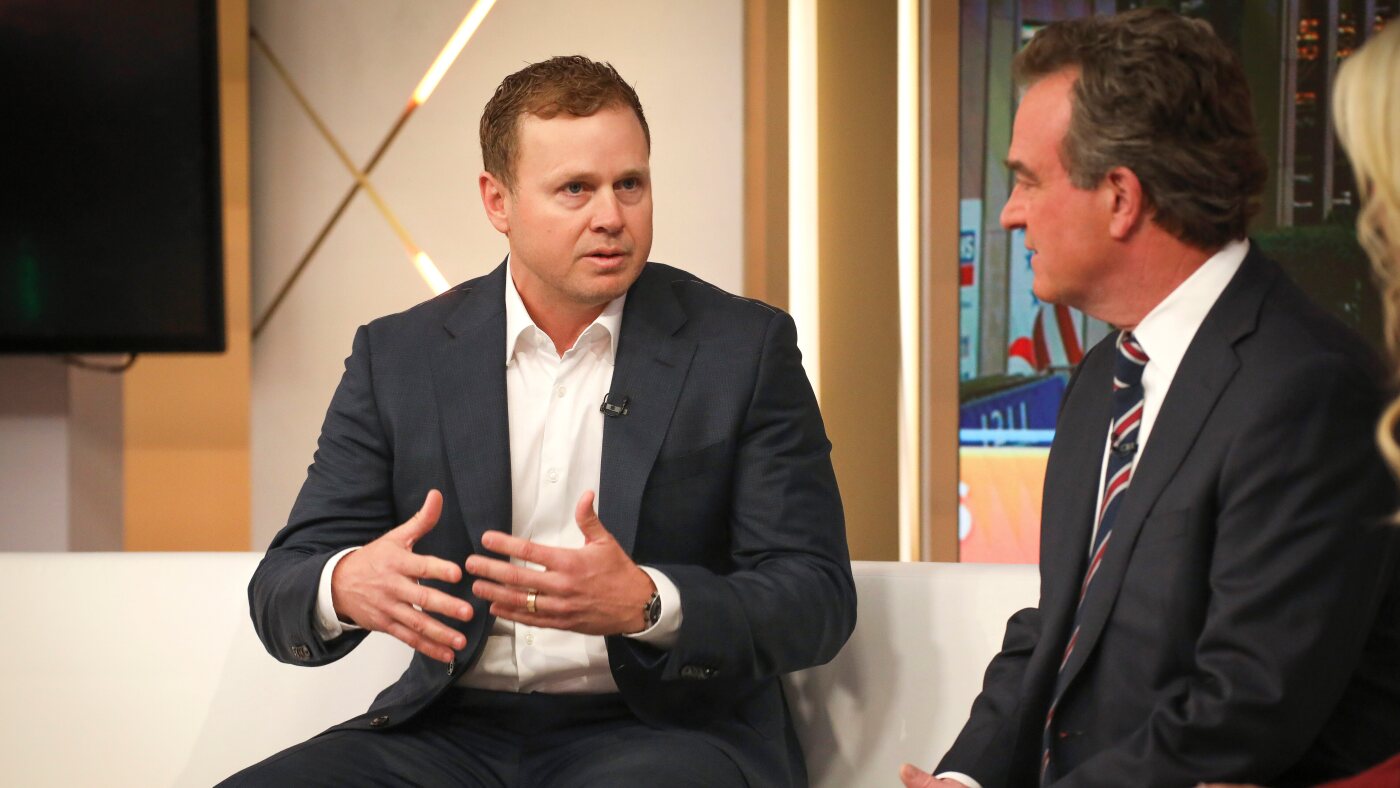
Professional trade signals that fire only when multiple indicators align. Capturing high-probability setups across market conditions, benefiting both active traders and passive investors. Access institutional-grade signals and market intelligence. Spencer Pratt, a former reality TV star, is employing a novel online campaign strategy for his potential Los Angeles mayoral bid. By flooding social media with edgy humor, AI-generated content, and combative rhetoric, he aims to capture the attention of highly online voters. Political experts suggest this approach may represent the future of digital campaigning, carrying potential implications for social media platforms, advertising markets, and political consulting.
Live News
Spencer Pratt’s Social Media Strategy: A New Blueprint for Political Campaigns and Its Potential Market Implications Analytical dashboards are most effective when personalized. Investors who tailor their tools to their strategy can avoid irrelevant noise and focus on actionable insights. According to NPR, Spencer Pratt is leveraging a mix of unconventional tactics to build an online following as he explores a run for Los Angeles mayor. The former reality TV personality is posting large volumes of edgy humor, artificial intelligence-generated “slop” (low-quality content), and combative rhetoric across social media channels. The goal, analysts note, is to grab attention and secure the vote of the “very online” demographic—a segment that often drives viral trends. Pratt’s approach does not rely on traditional campaign advertising or ground game. Instead, it mirrors the rapid-fire, often irreverent style common on platforms like X (formerly Twitter), TikTok, and Instagram. Political experts cited in the report see this strategy as a potential glimpse into the future of online campaigning, where authenticity and shock value may matter more than polished messaging. The strategy is already earning Pratt praise from some corners as “winning the internet,” though its effectiveness in a real-world election remains untested.
Spencer Pratt’s Social Media Strategy: A New Blueprint for Political Campaigns and Its Potential Market ImplicationsMonitoring macroeconomic indicators alongside asset performance is essential. Interest rates, employment data, and GDP growth often influence investor sentiment and sector-specific trends.Quantitative models are powerful tools, yet human oversight remains essential. Algorithms can process vast datasets efficiently, but interpreting anomalies and adjusting for unforeseen events requires professional judgment. Combining automated analytics with expert evaluation ensures more reliable outcomes.Monitoring global indices can help identify shifts in overall sentiment. These changes often influence individual stocks.
Key Highlights
Spencer Pratt’s Social Media Strategy: A New Blueprint for Political Campaigns and Its Potential Market Implications Global macro trends can influence seemingly unrelated markets. Awareness of these trends allows traders to anticipate indirect effects and adjust their positions accordingly. - Key Takeaway – Low-Cost, High-Volume Content Production: Pratt’s campaign relies heavily on AI-generated material, which could significantly lower the cost of content creation compared to traditional media buys. This may democratize political outreach but also raises questions about content quality and authenticity. - Market/Sector Implication – Social Media Platforms: Platforms that embrace or moderate such viral, AI-driven political content could see shifts in user engagement and advertising revenue. Twitter, TikTok, and Instagram might need to adapt their algorithms and content policies to handle an influx of similar political campaigns. - Market/Sector Implication – Political Consulting & Advertising: Traditional political consulting firms and ad agencies could face disruption if candidates increasingly adopt DIY, viral-style strategies. Spending on targeted digital ads might decrease in favor of organic, shareable content, potentially affecting revenue models for media companies. - Regulatory and Moderation Risks: An increase in AI-generated political content may prompt regulators and platforms to tighten rules on transparency and disinformation. This could create compliance costs for campaigns and platforms alike. - Local Economic Impact: If Pratt were to win, his unconventional style could influence Los Angeles’ municipal brand, affecting tourism, business climate, and media perception. Investors in city bonds or real estate may monitor such shifts.
Spencer Pratt’s Social Media Strategy: A New Blueprint for Political Campaigns and Its Potential Market ImplicationsUnderstanding liquidity is crucial for timing trades effectively. Thinly traded markets can be more volatile and susceptible to large swings. Being aware of market depth, volume trends, and the behavior of large institutional players helps traders plan entries and exits more efficiently.Volume analysis adds a critical dimension to technical evaluations. Increased volume during price movements typically validates trends, whereas low volume may indicate temporary anomalies. Expert traders incorporate volume data into predictive models to enhance decision reliability.Real-time news monitoring complements numerical analysis. Sudden regulatory announcements, earnings surprises, or geopolitical developments can trigger rapid market movements. Staying informed allows for timely interventions and adjustment of portfolio positions.
Expert Insights
Spencer Pratt’s Social Media Strategy: A New Blueprint for Political Campaigns and Its Potential Market Implications Macro trends, such as shifts in interest rates, inflation, and fiscal policy, have profound effects on asset allocation. Professionals emphasize continuous monitoring of these variables to anticipate sector rotations and adjust strategies proactively rather than reactively. From a professional perspective, Pratt’s strategy highlights a growing divergence between traditional campaign methods and digital-native approaches that prioritize virality over substance. For investors, this trend could present both opportunities and risks. Social media companies that successfully capitalize on political content trends might see increased user engagement, but they also face potential backlash from advertisers wary of association with controversial or AI-generated material. Political consulting firms may need to invest in AI tools and social media expertise to remain competitive, while traditional television and print advertising could see further erosion of political spending. However, the long-term viability of such a strategy is uncertain. Voter fatigue from constant edgy humor or combative rhetoric could diminish its effectiveness. Moreover, the outcome in Los Angeles—should Pratt formalize his candidacy—would likely be a closely watched case study for future campaigns. Cautious language is essential: this approach may reshape digital campaigning, but it could also trigger regulatory scrutiny or public pushback. No definitive predictions can be made about Pratt’s mayoral prospects or the market impact without official campaign filings and more data. Disclaimer: This analysis is for informational purposes only and does not constitute investment advice.